7 Mistakes You’re Making with Expert Repair (and How to Fix Them)
In today’s competitive market, the operational efficiency of an industrial laundry facility is not merely a logistical concern; it is a fundamental pillar of business success. Whether managing a high-volume hotel, a critical care hospital, or a large-scale commercial laundry operation, the reliability of your machinery directly dictates your bottom line. Despite the clear importance of equipment uptime, many facility managers fall into subtle yet costly patterns of mismanagement regarding maintenance and professional service.
Securing expert repair is more than a reactionary measure to a breakdown: it is a strategic investment in the longevity and safety of your capital assets. However, even the most diligent managers often make critical errors that undermine their maintenance goals. Understanding these pitfalls is the first step toward achieving operational excellence and ensuring that your facility remains a high-performing asset.
1. The Reactive Maintenance Trap
One of the most prevalent mistakes in facility management is a reliance on reactive maintenance: addressing equipment only when a catastrophic failure occurs. In the world of industrial laundry, waiting for a machine to stop entirely is a high-stakes gamble that often leads to prolonged downtime and inflated repair costs.
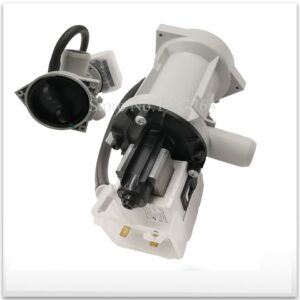
A reactive approach ignores the progressive wear and tear that occurs within complex mechanical systems. When a pump fails or a belt snaps during a peak shift, the resulting bottleneck can halt productivity across the entire facility. To fix this, managers must transition to a proactive maintenance model. Engaging in scheduled professional inspections allows expert technicians to identify and rectify minor issues before they escalate into systemic failures. At Wash IQ, we emphasize that regular oversight is essential for preventing the "domino effect" of mechanical breakdown.
2. Overlooking Early Warning Signs
Operational staff often become accustomed to the "unique" noises or vibrations of aging equipment, dismissing them as harmless quirks. This normalization of deviance is a vital error. Unusual sounds, slight odors, or minor leaks are technical indicators of underlying stress.
Ignoring these early warning signs can lead to severe damage to internal components, such as bearings, seals, and motors. A professional technician possesses the diagnostic expertise to interpret these signals accurately. By responding to early indicators with expert repair services, you protect the machine’s integrity and avoid the necessity of a total component overhaul. Prompt intervention is crucial for maintaining the precise calibration required for industrial-grade results.

3. Structural Stress from Overloading
In an effort to maximize throughput, it is tempting for staff to exceed the rated capacity of washers and dryers. However, overloading is a leading cause of premature mechanical failure. It creates excessive torque on motors, strains suspension systems, and prevents the proper distribution of water and chemicals.
Overloading does not just damage the machine; it compromises the quality of the output. When linens are packed too tightly, they cannot move freely, resulting in poor soil removal and uneven drying. To fix this, facility managers must strictly enforce manufacturer-specified load limits and provide comprehensive staff training. Utilizing industrial-grade equipment designed for specific volume requirements is essential for ensuring that your facility operates within safe mechanical parameters.
4. The Risks of Unauthorized DIY Repairs
The complexity of modern industrial laundry equipment, featuring sophisticated programmable logic controllers (PLCs) and high-voltage circuitry, makes DIY repair attempts exceedingly dangerous and counterproductive. While a general maintenance staff member may be skilled, they often lack the specialized diagnostic tools and technical training required for industrial laundry systems.
Unauthorized repairs often lead to incorrect parts being installed or safety sensors being bypassed, which can void warranties and create significant liability risks. Expert repair services ensure that all work is performed according to manufacturer specifications, utilizing OEM parts that maintain the machine's structural and electrical integrity. Professional intervention is vital for ensuring compliance with safety standards and protecting the physical well-being of your staff.

5. Improper Chemical Calibration
The intersection of chemistry and mechanics is where many facility managers encounter difficulty. Using excessive amounts of detergent or utilizing the wrong chemical concentrations can be detrimental to both the laundry equipment and the linens themselves. Chemical buildup can corrode seals, clog sensors, and cause "oversudsing" that stresses the motor.
Furthermore, improper chemical use leads to accelerated fabric degradation, increasing the "cost per load" through premature linen replacement. The solution lies in chemical cost optimization. Professional service providers can analyze your water quality and wash cycles to calibrate detergent and softener levels precisely. This strategic alignment ensures exceptional product quality while minimizing chemical waste and mechanical wear.

6. Neglecting Ventilation and Airflow
For commercial dryers, airflow is the lifeblood of efficiency. A common mistake is the failure to maintain a rigorous cleaning schedule for lint filters and external exhaust venting. When airflow is restricted, the dryer must work harder and run longer to achieve the desired results, leading to excessive energy consumption and component overheating.
Beyond efficiency, neglected venting is a significant fire hazard. In an industrial setting, a lint fire can be devastating. Expert repair and maintenance include a thorough inspection and cleaning of the entire ventilation system, ensuring that airflow remains unobstructed. Maintaining optimal airflow is an important factor in maximizing the throughput of your dryer units and ensuring the safety of your facility.
7. The Absence of Strategic Efficiency Reports
Many managers view repair and maintenance as a series of isolated events rather than a continuous data stream. Failing to track the performance and repair history of each machine is a strategic oversight. Without data, it is impossible to identify which units are underperforming or which operational habits are driving up costs.
The solution is the implementation of professional efficiency reports. These reports provide a granular analysis of utility consumption, cycle times, and repair frequency. By leveraging these insights, facility managers can make informed decisions about equipment replacement and process optimization. At Wash IQ, our expertise in providing these reports helps businesses identify cost-saving opportunities that would otherwise remain hidden.

Conclusion: Securing Operational Excellence
The path to a reliable and efficient laundry operation is paved with informed choices and expert partnerships. By avoiding these seven common mistakes: ranging from reactive maintenance to chemical mismanagement: you position your facility for long-term success.
Expert repair is not merely a service; it is a commitment to the standards that define your business. Whether you are managing a single location or a large multi-site operation, the technical expertise provided by a one-stop shop like Wash IQ is vital. With over 50 years of industry experience and a robust 3-year parts and labor warranty, we provide the custom solutions necessary to maintain your competitive edge. Prioritize the health of your equipment today to ensure the excellence of your results tomorrow.