Stop Wasting Time on Unexpected Breakdowns: Try These 7 Expert Repair Hacks
In today’s competitive market, operational continuity is the bedrock of profitability for any commercial laundry facility. Whether you are managing a high-volume hotel laundry, a hospital’s sterile processing unit, or a large-scale industrial textile plant, downtime is not merely an inconvenience: it is a significant financial liability. Unexpected equipment failure disrupts workflows, strains labor resources, and compromises service-level agreements.
At Wash IQ, we understand that maintaining high-performance industrial laundry equipment requires more than just reactive fixes. It demands a strategic, technical approach to equipment health. With over 50 years of industry expertise, our team has identified specific diagnostic and repair "hacks" that can differentiate a minor adjustment from a catastrophic multi-day shutdown.
The following seven expert repair and maintenance strategies are designed to help facility managers and lead technicians identify vulnerabilities before they manifest as mechanical failures.
1. The Foundation Audit: Precision Leveling and Anchoring
In the world of high-speed extraction, the physical stability of a machine is as critical as its electronic programming. Many "random" vibration errors or emergency stops during the spin cycle are not software glitches; they are symptoms of improper installation.
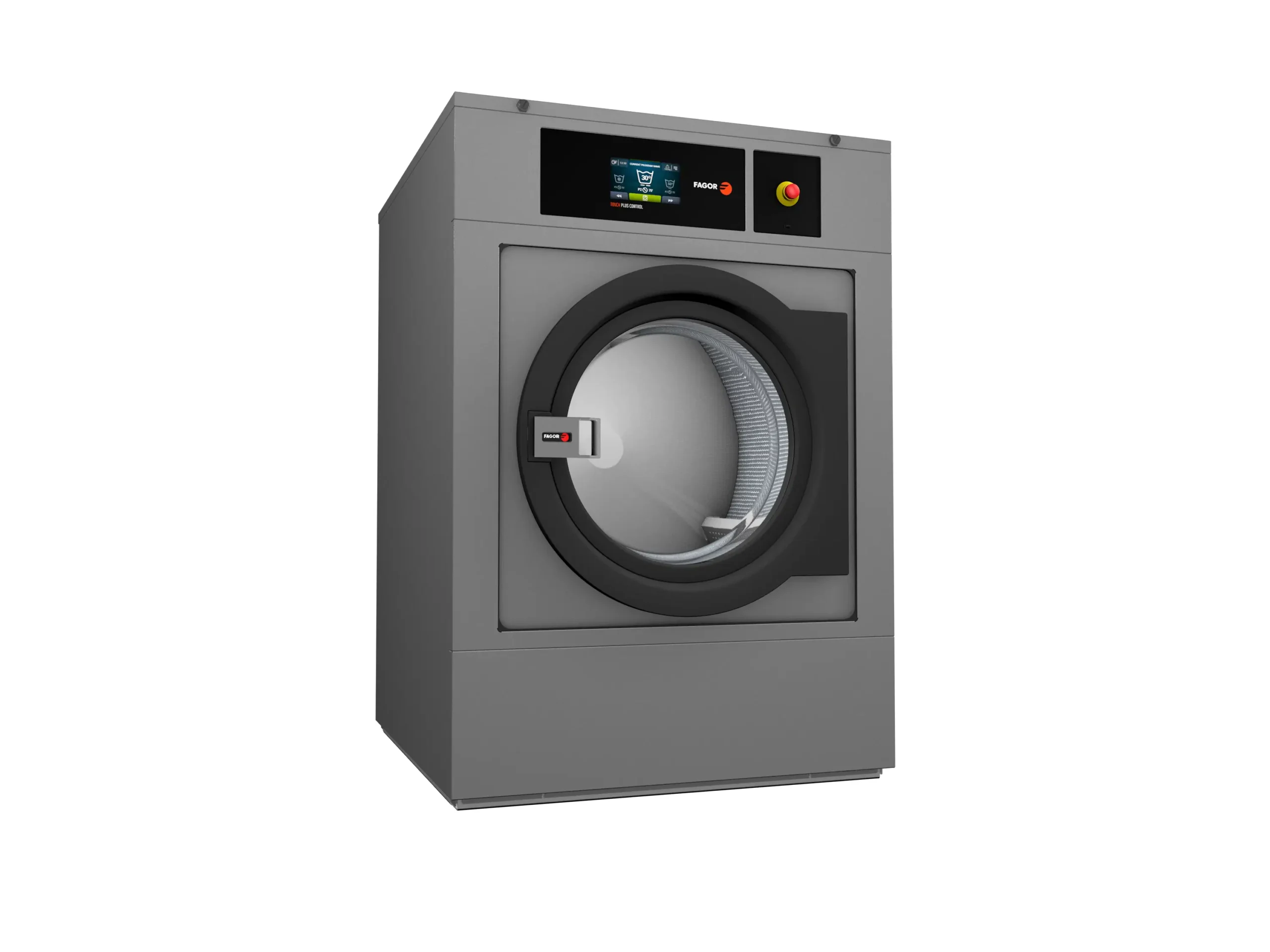
The Hack: Do not rely on a visual assessment of the machine’s feet. Utilize a precision spirit level across both the width and depth of the frame. If an industrial washer-extractor is even slightly out of alignment, the centrifugal force generated during high-speed extraction will create uneven wear on the suspension springs and dampers.
Furthermore, ensure that all mounting bolts are torqued to manufacturer specifications. A "walking" machine is often a sign of failing anchors rather than internal mechanical issues. By ensuring a perfectly level and anchored machine, you significantly extend the lifespan of your drum bearings and motor.
2. The Rust Streak Early Warning System
One of the most expensive repairs in an industrial laundry is a complete bearing and spider replacement. Often, these failures are "silent" until the drum begins to grind or seize.
The Hack: Implement a weekly visual inspection of the rear of the washer tub. By removing the back access panel and shining a high-intensity light on the bearing housing, you can look for "rust streaks" or water stains emanating from the center of the shaft.
If you see even a small amount of brownish residue, it indicates that the internal water seal has been breached. Replacing a seal and bearing at this stage is a routine maintenance task. Ignoring it until the water reaches the outer bearing will lead to a total shaft failure, potentially totaling the machine.

3. Airflow Forensics for Multi-Unit Performance
When multiple dryers in a facility begin to show "long dry time" errors simultaneously, the issue is rarely with the individual heating elements or thermostats. Instead, the bottleneck is often found in the shared infrastructure of the facility.
The Hack: Check the static pressure of your exhaust system. If a bank of dryers is underperforming, inspect the shared vent manifold and the roof-level termination. Lint accumulation in a central duct can create back-pressure that prevents all connected units from venting efficiently.
For high-throughput operations using industrial stack dryers, ensure the internal lint screens are not just cleaned, but inspected for tears. A single bypass of lint can clog the blower wheel, leading to overheating and premature failure of the thermal fuses.
4. Triage the Safety Interlocks Before the Control Board
A common mistake in industrial repair is assuming a "dead" machine requires an expensive control board replacement. In high-usage environments, the physical safety components are the most likely point of failure.
The Hack: Before ordering a new PCB, test the door/lid switch and the emergency stop (E-stop) button. Industrial environments are harsh; vibration and moisture can cause door latch closures to lose calibration.
Use a multimeter to check for continuity across the door switch when the latch is engaged. If the control board does not receive a "closed" signal, it will prevent the cycle from starting. At Wash IQ, we stock a wide range of latch closures and sensors to ensure these simple fixes don't turn into prolonged downtime.
5. The "Coin Trap" and Pump Filter Protocol
Drain errors are among the most frequent service calls, yet they are also the most preventable. In commercial settings, foreign objects: coins, screws, and debris: inevitably find their way into the wash.
The Hack: Establish a mandatory shift-change protocol for cleaning the pump filter or "coin trap." If your facility utilizes drain passes or gravity-drain systems, ensure there is no debris obstructing the valve seat. A partially blocked drain pump works harder, runs hotter, and will eventually burn out the motor. Proactive cleaning of these traps is an essential habit for operational excellence.

6. Chemical-Safe Component Maintenance
The chemicals used in industrial laundry: detergents, destainers, and softeners: are essential for quality results but can be corrosive to the machine’s internal components if not managed correctly.
The Hack: Inspect the chemical injection points and dispensers weekly. Clogged dispensers can lead to chemical "backup," where concentrated acid or bleach sits against the mixer gasket or stainless steel tub, causing localized corrosion and leaks.
Flush chemical lines with hot water monthly to prevent crystallization. Maintaining a clean delivery system ensures that your chemical cost optimization efforts are not undermined by the cost of repairing corroded valves and seals.
7. Strategic Spare Parts Inventory
The ultimate "hack" to stopping downtime is being prepared for the inevitable. Waiting for a critical part to ship can take a machine offline for days.
The Hack: Maintain an on-site "Critical Recovery Kit." Based on our 50 years of experience, this kit should include:
- Drive belts (for both washers and dryers)
- Door gaskets and seals
- Thermal fuses and high-limit thermostats
- Inlet valve screens
- Commonly used motor pumps
Having these components on hand allows your staff to perform immediate repairs, returning the unit to service while you order replacement stock.
Partnering for Industrial Excellence
While these hacks empower your facility team to handle routine challenges, complex industrial equipment requires professional oversight for long-term reliability. At Wash IQ, we provide a complete line of industrial-grade laundry equipment and the technical support necessary to keep it running at peak efficiency.
Our USPs: including a 3-year parts and labor warranty and over 50 years of industry expertise: are designed to provide business owners and facility managers with the peace of mind they need. From design services to repair and maintenance, we are your one-stop shop for all laundry needs.
Do not allow unexpected breakdowns to dictate your production schedule. By implementing these expert repair hacks and partnering with the professionals at Wash IQ, you can ensure your facility remains a model of efficiency and reliability.