Labor Scarcity Matters: How Industrial Laundry Equipment Fills the Staffing Gap
In today’s competitive market, the industrial laundry sector faces a dual challenge: an unprecedented surge in demand from the healthcare and hospitality sectors, and a persistent, structural shortage of qualified labor. In the world of commercial operations, labor costs typically account for 35% to 50% of total revenue. This makes staffing not just a human resources issue, but the single largest operating expense and the most significant bottleneck to growth.
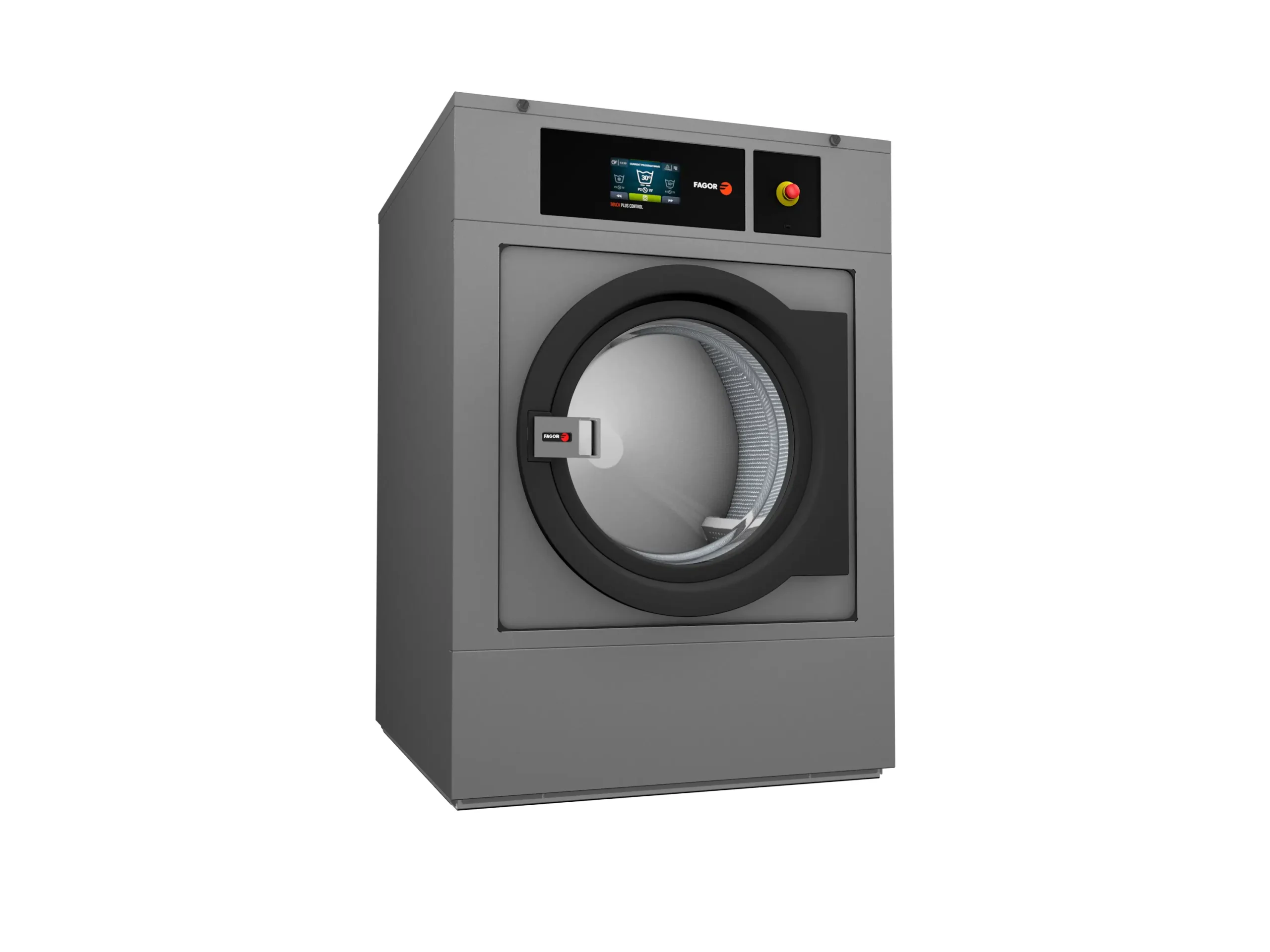
As we move through 2026, the "labor gap" has transitioned from a temporary hurdle to a permanent industry fixture. The solution for facility managers and business owners is no longer found in aggressive recruitment alone, but in the strategic implementation of advanced industrial laundry equipment. By transitioning to automated, high-efficiency systems, businesses can maintain: and even increase: throughput while significantly reducing their reliance on a scarce workforce.
The Reality of the 2026 Labor Landscape
The industrial laundry industry is currently grappling with a workforce that is increasingly difficult to recruit and retain. Traditional laundry roles are often perceived as physically demanding and repetitive, leading to high turnover rates and a reliance on a shrinking pool of applicants. Furthermore, the need for specialized technical staff: technicians who can maintain and repair complex machinery: has reached a critical point.
This scarcity creates a "fragile" operational environment. When a facility is understaffed, even a minor equipment breakdown or a surge in volume can lead to catastrophic delays, overtime costs, and compromised hygiene standards. To build a resilient business, it is essential to shift the burden of production from human hands to intelligent machinery.
1. Automation: Reducing Headcount in Labor-Intensive Zones
The most labor-intensive phases of laundry operations are typically sorting, loading/unloading, and finishing (folding and ironing). Modern equipment is designed to automate these exact "pain points."
AI-Driven Sorting and Handling
Traditional sorting is physically taxing and prone to human error. New AI-powered garment recognition systems and RFID tracking can reduce sorting labor costs by as much as 30-40%. These systems automatically route items to the correct processing lines, ensuring that your few remaining staff members are focused on high-value oversight rather than manual labor.
High-Capacity Tunnel Washers
For large-scale operations, tunnel washers represent the pinnacle of labor efficiency. Capable of processing up to 2,000 pounds of laundry per hour continuously, these machines require significantly fewer operators than a battery of standalone washers. They automate the movement of linen through the wash, rinse, and extraction phases without manual intervention.

2. Advanced Finishing Equipment: The End of Manual Folding
Finishing: the process of ironing, folding, and stacking: is perhaps the most significant consumer of man-hours in a traditional OPL (On-Premise Laundry) setup.
Investing in industrial flatwork ironers and automated folders can transform a three-person task into a one-person oversight role. High-speed folders can handle towels, sheets, and garments with a level of consistency that human staff cannot match over an eight-hour shift. This not only reduces the need for staff but also improves the final presentation of the product, which is vital for hospitality and banquet settings.

3. IoT and Predictive Maintenance: Empowering Smaller Teams
In a labor-scarce environment, downtime is the enemy. When equipment fails, the pressure on the remaining staff intensifies, often leading to burnout and further turnover.
Modern industrial laundry equipment now features IoT-enabled "smart" sensors. These systems provide:
- Remote Diagnostics: Allowing off-site experts to troubleshoot issues before they require a physical visit.
- Predictive Maintenance: Notifying managers of potential part failures before they happen, allowing for scheduled maintenance rather than emergency repairs.
- Operational Transparency: Real-time data on machine utilization helps managers identify where staff are being underutilized or where bottlenecks are forming.
By utilizing Wash IQ’s Repair and Maintenance Services, facilities can leverage over 50 years of expertise to ensure their automated systems remain operational, further reducing the stress on internal teams.
4. Chemical Optimization and Programmable Controls
Manual chemical dosing is not only inefficient but also a common source of fabric damage and re-wash cycles: both of which demand more labor. Industrial-grade machines with programmable logic controllers (PLCs) allow for precise, automated chemical injection.
Chemical cost optimization is a crucial component of the modern laundry strategy. By automating the dosing process, you eliminate the risk of operator error, reduce the amount of chemicals handled by staff, and ensure a higher quality "first-time" result. Fewer re-washes directly translate to fewer labor hours spent re-processing the same linen.

5. Strategic Facility Design for Workflow Efficiency
Automation is most effective when it is housed within a logically designed environment. At Wash IQ, our Design Services focus on optimizing the flow of linen from "soiled" to "clean" with the fewest possible touches.
By minimizing the distance staff must travel and eliminating redundant handling steps, a well-designed facility can operate with 20% to 30% fewer employees than a poorly planned one. This strategic layout, combined with high-G-force extractors that reduce drying times, ensures that the laundry moves through the plant at a pace that keeps up with demand without requiring extra shifts.
Quantifying the ROI: Efficiency Reports
For many business owners, the initial investment in high-end industrial laundry equipment can seem daunting. However, when viewed through the lens of labor scarcity, the return on investment (ROI) becomes clear.
Wash IQ provides Efficiency Reports that analyze your current operations to identify specific cost-saving opportunities. These reports often reveal that the monthly payment on a new, automated machine is significantly lower than the cost of the labor, turnover, and downtime associated with older, manual equipment. In a world where wages are rising and candidates are few, automation is the most stable "employee" you will ever hire.
Conclusion: Investing in a Sustainable Future
The challenge of labor scarcity in the industrial laundry sector is not a problem that will solve itself through traditional means. As we look toward the future of the industry, the distinction between successful and struggling operations will be defined by their willingness to embrace technology.
By integrating automated washers, dryers, and finishing equipment, and by utilizing expert design and maintenance services, businesses can insulate themselves from the volatility of the labor market. Wash IQ is committed to being your one-stop shop for these solutions, providing the equipment, the expertise, and the long-term support necessary to bridge the staffing gap.
Investing in automation is no longer a luxury; it is an essential strategy for operational excellence and long-term viability in the industrial laundry world.
Ready to bridge the labor gap in your facility?
Contact Wash IQ today to schedule an efficiency audit and learn how our custom laundry solutions can optimize your operations and reduce your reliance on manual labor.