Assisted Living Laundry: Meeting Hygiene Compliance Without Sacrificing Efficiency
In today’s competitive senior care market, the management of on-premise laundry (OPL) facilities has moved beyond a basic operational requirement to become a critical pillar of both resident health and business sustainability. For assisted living facilities, the laundry room is a high-stakes environment where the demands of stringent hygiene compliance must be balanced against the constant pressure to reduce labor, utility, and chemical expenditures.
The challenge for facility managers is significant: failure to meet infection control standards can result in severe regulatory penalties and compromised resident safety, while inefficient processes lead to ballooning overhead costs that erode thin margins. At Wash IQ, we understand that the path to operational excellence lies in the seamless integration of industrial-grade equipment, precise chemical management, and expert facility design.
The Regulatory Landscape: Understanding Hygiene Compliance
In the world of long-term care, hygiene is not a suggestion, it is a mandate. Assisted living facilities are often subject to standards aligned with CDC and OSHA guidelines, which emphasize the complete elimination of pathogens from linens and clothing. Meeting these standards requires more than just "washing" clothes; it requires a validated disinfection process.
Thermal vs. Chemical Disinfection
Compliance typically hinges on two primary methods of disinfection:
- Thermal Disinfection: This involves maintaining wash water at high temperatures (typically 160°F) for a specific duration (often 25 minutes) to ensure microbial destruction. While effective, the high heat can accelerate wear on textiles and increase energy costs.
- Chemical Disinfection: In many modern facilities, chemical optimization allows for effective sanitization at lower temperatures (around 140°F) through the use of automated chemical dispensers and specialized sanitizers. This method preserves linen life and reduces utility consumption while maintaining full compliance with state health regulations.
Ensuring that your machines consistently reach these parameters is vital. Without precise control over time, temperature, and chemistry, a facility risks "bio-burden" buildup, where bacteria and viruses survive the wash cycle and are spread back to residents.

Designing for Success: The "Dirty-to-Clean" Workflow
One of the most essential elements of hygiene compliance is the physical layout of the laundry facility. Cross-contamination: the transfer of pathogens from soiled linens to clean laundry: is a primary concern for surveyors. A well-designed facility eliminates this risk through a "one-way" workflow.
In an ideal layout, soiled laundry enters through a dedicated intake area, moves through the washing and drying stages, and exits via a separate clean zone for folding and storage. These zones should be physically separated to prevent air and surface contamination.
Wash IQ’s design services assist facility managers in planning these layouts to maximize throughput while ensuring regulatory compliance. By optimizing the "dirty-to-clean" flow, facilities can reduce the manual labor required to move linens, thereby increasing efficiency without compromising safety.
The Impact of Industrial-Grade Equipment
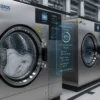
Efficiency in an assisted living setting is largely dictated by the reliability and capacity of the machinery. Residential or light-commercial washers are often insufficient for the 24/7 demands of a senior care facility. Using underpowered equipment leads to longer cycle times, increased water usage, and frequent breakdowns.
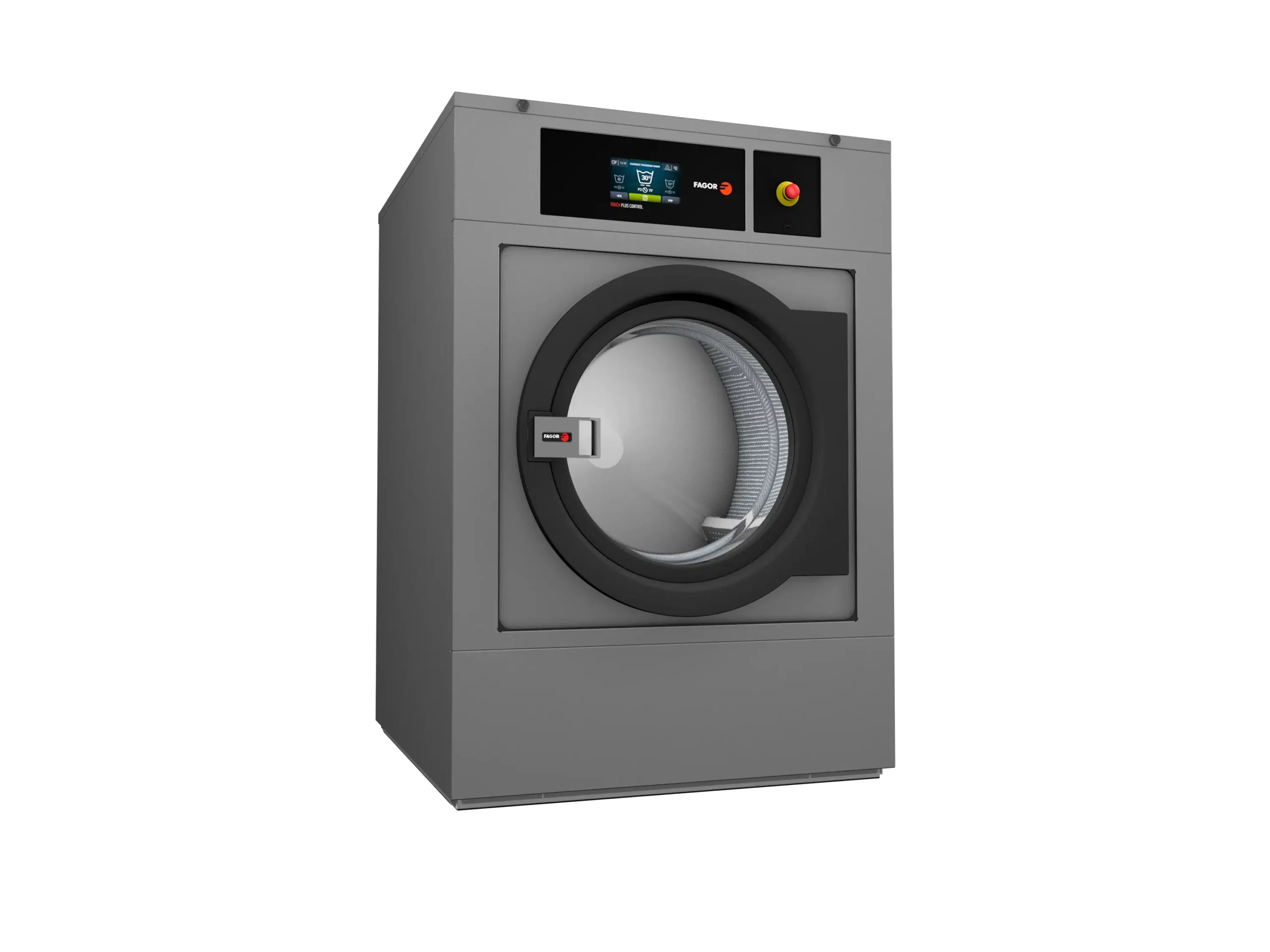
Investing in high-performance industrial laundry equipment from brands like Milnor, Fagor, or B&C provides several key benefits:
- Reduced Cycle Times: Industrial machines are engineered for faster filling, higher G-force extraction (which reduces drying time), and rapid heating.
- Durability: Built with heavy-duty components, these machines are designed to run 10 to 12 cycles per day for years, whereas residential machines often fail within months under similar loads.
- Programming Flexibility: Advanced controllers allow for custom wash formulas tailored to specific soil types, ensuring that delicate resident clothing is protected while heavily soiled linens are thoroughly disinfected.

Chemical Optimization: The Silent Efficiency Driver
In most OPL environments, chemicals represent a significant portion of the operating budget. However, the cost of the chemicals themselves is often less than the "hidden costs" of improper dosing. Over-using detergent leads to excessive rinsing and premature linen wear, while under-using chemicals necessitates re-washes and compromises hygiene.
Our approach to chemical cost optimization involves installing automated dosing systems that inject precise amounts of detergent, builder, sanitizer, and softener based on the specific load and soil level. This precision ensures that every load meets hygiene standards on the first attempt, significantly reducing the "re-wash" rate and extending the lifespan of expensive linens.
Preventive Maintenance: Preventing the 3 AM Crisis
Reliability is perhaps the most crucial factor in laundry efficiency. In an assisted living facility, a machine breakdown is not just an inconvenience; it is a bottleneck that can lead to linen shortages and increased labor costs as staff struggle to keep up.
Establishing a rigorous repair and maintenance schedule is essential. Common issues such as clogged drains, worn belts, or failing heating elements can often be identified during routine inspections before they cause a total system failure. At Wash IQ, we leverage over 50 years of industry expertise to provide comprehensive service for any brand of laundry equipment, ensuring that your facility remains operational around the clock.

Human Factors: Training and Ergonomics
While machinery and chemistry provide the foundation, the human element remains a vital component of the efficiency equation. Training staff on the proper handling of soiled linens, the use of PPE, and the operation of advanced industrial machines is a regulatory requirement and an operational necessity.
Proper ergonomics: such as the use of spring-loaded laundry carts and adjustable folding tables: can significantly reduce workplace injuries and staff fatigue. An efficient staff is one that is well-trained and supported by a facility designed for their success.
Conclusion: A Partner in Operational Excellence
Maintaining a high-functioning laundry facility in an assisted living environment requires a multi-faceted approach. It demands a deep understanding of hygiene regulations, a commitment to high-performance equipment, and a strategic view of utility and chemical consumption.
At Wash IQ, we are more than just an equipment supplier. We are a comprehensive partner dedicated to helping senior care providers achieve a balance between compliance and cost-effectiveness. From initial facility design and equipment sales to long-term maintenance and chemical optimization, our mission is to ensure your laundry operation is a model of efficiency and reliability.
In the world of senior care, excellence in the laundry room reflects the overall quality of care provided to residents. By prioritizing professional standards and industrial-grade solutions, facility managers can protect their residents, their staff, and their bottom line.