How to Optimize Your OPL Laundry Solutions in 5 Easy Steps: A Guide for Facility Managers
In today’s competitive market, the operational efficiency of an on-premise laundry (OPL) facility is not merely a logistical concern; it is a critical component of a business’s bottom line. For hotels, healthcare facilities, and industrial institutions, the ability to process high volumes of linens with speed and precision is essential for maintaining service standards and controlling overhead. However, many facility managers find themselves grappling with rising utility costs, frequent equipment downtime, and inconsistent results.
Optimizing your OPL laundry solutions requires a strategic shift from reactive management to proactive excellence. By focusing on workflow, maintenance, and the integration of high-performance industrial laundry equipment, facilities can significantly reduce waste and enhance productivity. This guide outlines five vital steps to transform your laundry operation into a model of industrial efficiency.
Step 1: Conduct a Comprehensive Efficiency Audit
The first and most crucial step in any optimization strategy is the objective assessment of current performance. In the world of industrial-grade operations, decisions must be driven by data rather than intuition. A comprehensive efficiency audit allows facility managers to identify hidden bottlenecks and quantify the cost of Every pound of laundry processed.
At Wash IQ, we understand that efficiency begins with clarity. Our efficiency reports provide a deep dive into your current operations, analyzing water usage, energy consumption, and labor hours. To conduct your own internal audit, start by tracking the "Pounds Per Operator Hour" (PPOH). This metric is vital for understanding whether your staff is performing at peak capacity or if they are being hindered by outdated machinery or poor sorting processes.
Furthermore, monitor your rewash rate. A high rewash rate is a clear indicator of failure in chemical dosing, water temperature, or machine performance. By identifying these issues early, you can implement targeted corrections that yield immediate financial benefits.

Step 2: Prioritize Preventative Maintenance and Technical Support
Reliability is the cornerstone of any successful industrial operation. In an OPL environment, the failure of a single machine can disrupt the entire supply chain, leading to linen shortages and increased labor costs as staff wait for repairs. Therefore, a robust preventative maintenance schedule is essential.
Maintaining industrial laundry equipment requires specialized expertise. With over 50 years of industry experience, Wash IQ provides comprehensive repair and maintenance services for any brand of equipment. Facility managers should ensure that lint screens are cleaned daily, seals are inspected for leaks weekly, and drive belts are checked for wear monthly.
Proactive maintenance does more than prevent breakdowns; it also extends the lifespan of your capital investments. When machines operate at their intended mechanical specifications, they consume less energy and provide more consistent results. Neglecting these small technical details leads to a cumulative degradation of efficiency that eventually necessitates expensive emergency interventions.
Step 3: Implement Advanced Chemical Management
Chemical costs often represent a significant portion of the OPL budget, yet they are frequently overlooked during optimization efforts. Inaccurate chemical dosing is a leading cause of premature fabric wear, skin irritation for end-users, and wasted utility resources.
Optimizing your chemical usage is a vital step toward operational excellence. Wash IQ specializes in chemical cost optimization, helping businesses reduce expenses while simultaneously enhancing the quality of the finished product. By utilizing automated dispensing systems, you can ensure that the precise amount of detergent, softener, and destainer is used for every load size and fabric type.
Beyond cost savings, correct chemical management is a matter of health and safety. In healthcare settings, the thermal and chemical disinfection of linens is a non-negotiable requirement. High-performance OPL laundry solutions must balance aggressive soil removal with textile preservation to maximize the lifecycle of your linen inventory.

Step 4: Optimize Facility Layout and Workflow Design
Efficiency is often a matter of geography. In many older facilities, the laundry room layout is a result of historical convenience rather than logical flow. This leads to "backtracking," where clean linens cross paths with soiled items, increasing the risk of cross-contamination and creating unnecessary labor movement.
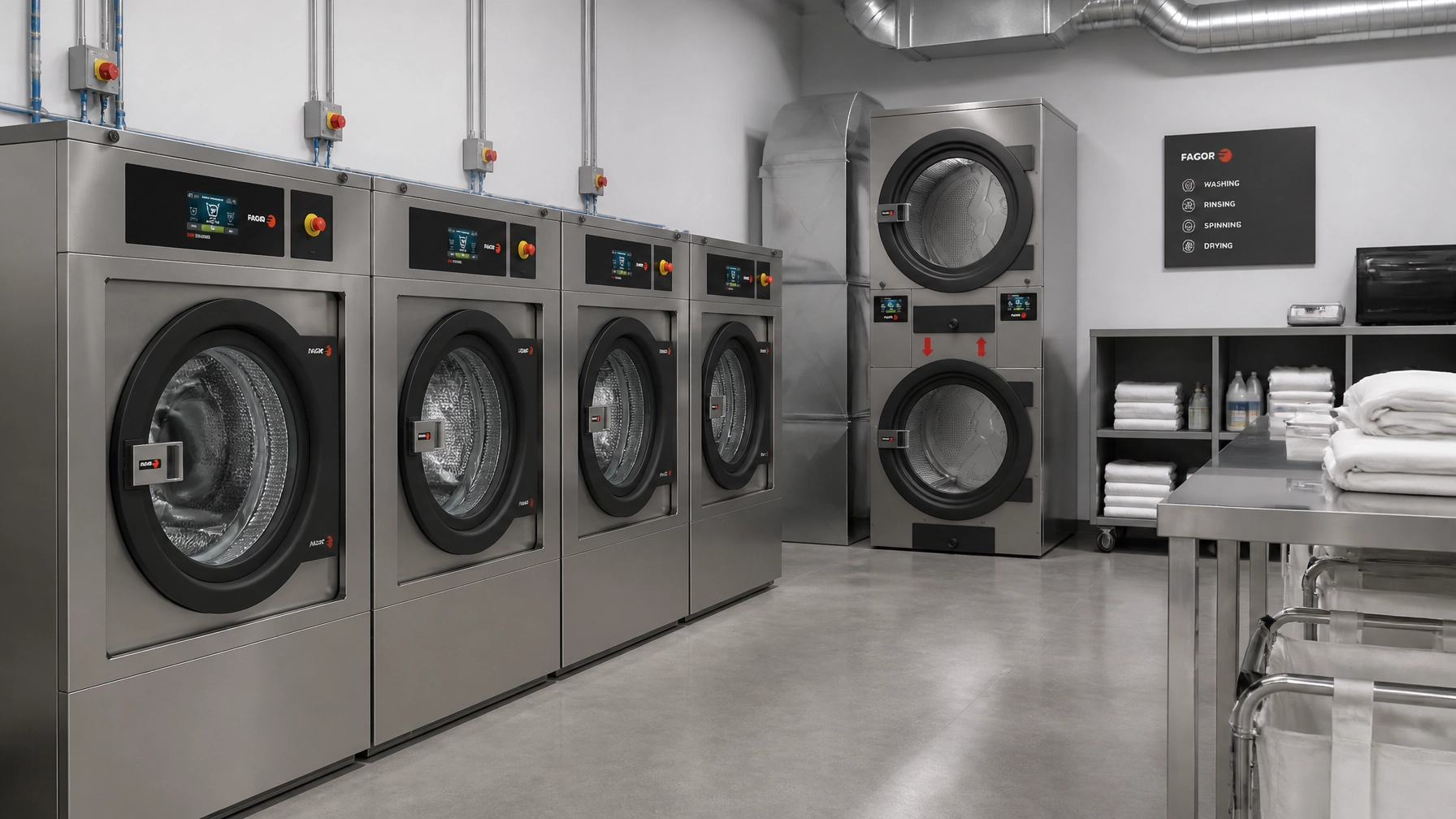
A professional design service can assist in reconfiguring your space for a "straight-line" workflow. The progression should be linear: sorting, washing, drying, finishing, and storage. Minimizing the distance between these stations reduces the physical strain on employees and speeds up the turnaround time for every load.
Consider the role of specialized finishing equipment in your workflow. For example, high-capacity flatwork ironers can process bed sheets and table linens at speeds that manual folding simply cannot match. By automating the finishing process, you free up your workforce to focus on high-value tasks, effectively increasing the throughput of your entire facility.

Step 5: Invest in High-Performance Industrial Laundry Equipment
Finally, the success of your OPL facility is ultimately limited by the technology you employ. While many facilities attempt to extend the life of aging machines, there comes a point where the cost of repair and the loss of efficiency outweigh the investment in new technology.
Modern industrial laundry equipment is designed with sustainability and high throughput in mind. Today’s machines feature advanced moisture sensors that stop dryers the moment the load is dry, preventing over-drying and saving significant energy costs. High-extraction washers remove more water during the spin cycle, which directly reduces the time and energy required in the drying phase.
At Wash IQ, we supply a complete line of high-quality machines and offer a 3-year parts and labor warranty, providing the peace of mind that facility managers require. Whether you are operating a single boutique hotel or a large-scale hospital laundry, upgrading to modern OPL laundry solutions is a declarative step toward long-term operational success. Investing in reliable equipment is an essential strategy for any facility manager looking to future-proof their operations.

Conclusion: The Path to Operational Excellence
Optimizing an OPL facility is a continuous journey that requires a blend of technical expertise, data-driven decision-making, and high-quality equipment. By following these five steps: auditing performance, prioritizing maintenance, managing chemicals, designing efficient workflows, and investing in modern technology: facility managers can achieve a significant reduction in operational costs and a measurable increase in linen quality.
In the world of industrial laundry, there is no substitute for experience and reliability. For more than five decades, Wash IQ has served as a one-stop shop for businesses across the region, providing everything from equipment sales to custom facility layouts. For those ready to elevate their laundry operations, we invite you to explore our about us page or visit our gallery to see our solutions in action.
Operational excellence is within reach. By choosing the right partners and the right equipment, your facility can set the standard for efficiency in your industry.