The Facility Manager’s Guide to OPL Laundry Solutions at Assisted Living Centers
In the world of assisted living and senior care management, the efficiency of background operations is often the deciding factor between a facility that merely functions and one that thrives. Among these operations, the management of laundry services stands as a cornerstone of resident health, safety, and overall satisfaction. As facility managers seek to optimize their operations, the implementation of robust OPL (On-Premise Laundry) solutions has become a strategic priority. Providing a clean, sanitary, and reliable supply of linens and personal clothing is not just a comfort: it is a clinical necessity.
In today’s competitive market, facility managers are increasingly moving away from outsourced models in favor of industrial laundry equipment maintained in-house. This shift allows for greater control over infection protocols, operational costs, and the preservation of textile quality. This guide serves as an authoritative resource for facility managers navigating the complexities of OPL management, from equipment selection to workflow design and chemical optimization.
The Strategic Importance of OPL Laundry Solutions
Transitioning to an on-premise laundry model offers several essential advantages for assisted living centers. When a facility manages its own laundry, it eliminates the risks associated with third-party delays, lost inventory, and inconsistent sanitation standards.
Reliability is vital in a healthcare setting. High-capacity industrial laundry equipment is engineered to withstand the rigorous demands of 24/7 operations, processing everything from heavy bedding and towels to delicate resident personal items. By utilizing OPL laundry solutions, facility managers can ensure that their inventory of linens is always available, reducing the need for excessive par levels and lowering long-term capital expenditure on textiles.
Furthermore, the fiscal impact of an efficient OPL cannot be overstated. With the right equipment and chemical dispensing systems, facilities can significantly reduce water and energy consumption. At Wash IQ, we provide detailed efficiency reports that allow managers to identify precisely where costs can be trimmed without compromising on the quality of the finish.
Ensuring Infection Control and Regulatory Compliance
In an assisted living environment, the prevention of cross-contamination is a crucial responsibility. Regulatory bodies maintain strict standards regarding the handling of soiled linens and the disinfection of textiles. To meet these requirements, facility managers must implement specialized protocols that only high-grade industrial equipment can support.
Modern washers are designed with programmable logic that ensures water temperatures and chemical concentrations reach the necessary levels to eradicate pathogens. For instance, many facilities require thermal disinfection or the use of specific bleaching agents that standard residential machines simply cannot handle.
Separation of Clean and Soiled Zones
A fundamental principle of infection control is the physical separation of "dirty" and "clean" areas. Industrial laundry facilities should be designed to support a unidirectional workflow, preventing clean linens from ever coming into contact with soiled air or surfaces. This level of operational excellence is a hallmark of professional senior care environments.

Selecting High-Performance Industrial Laundry Equipment
Choosing the right equipment is a vital step in building a successful OPL operation. Facility managers must look beyond the initial purchase price and consider factors such as G-force extraction, programmable cycles, and long-term durability.
High-Extraction Washers
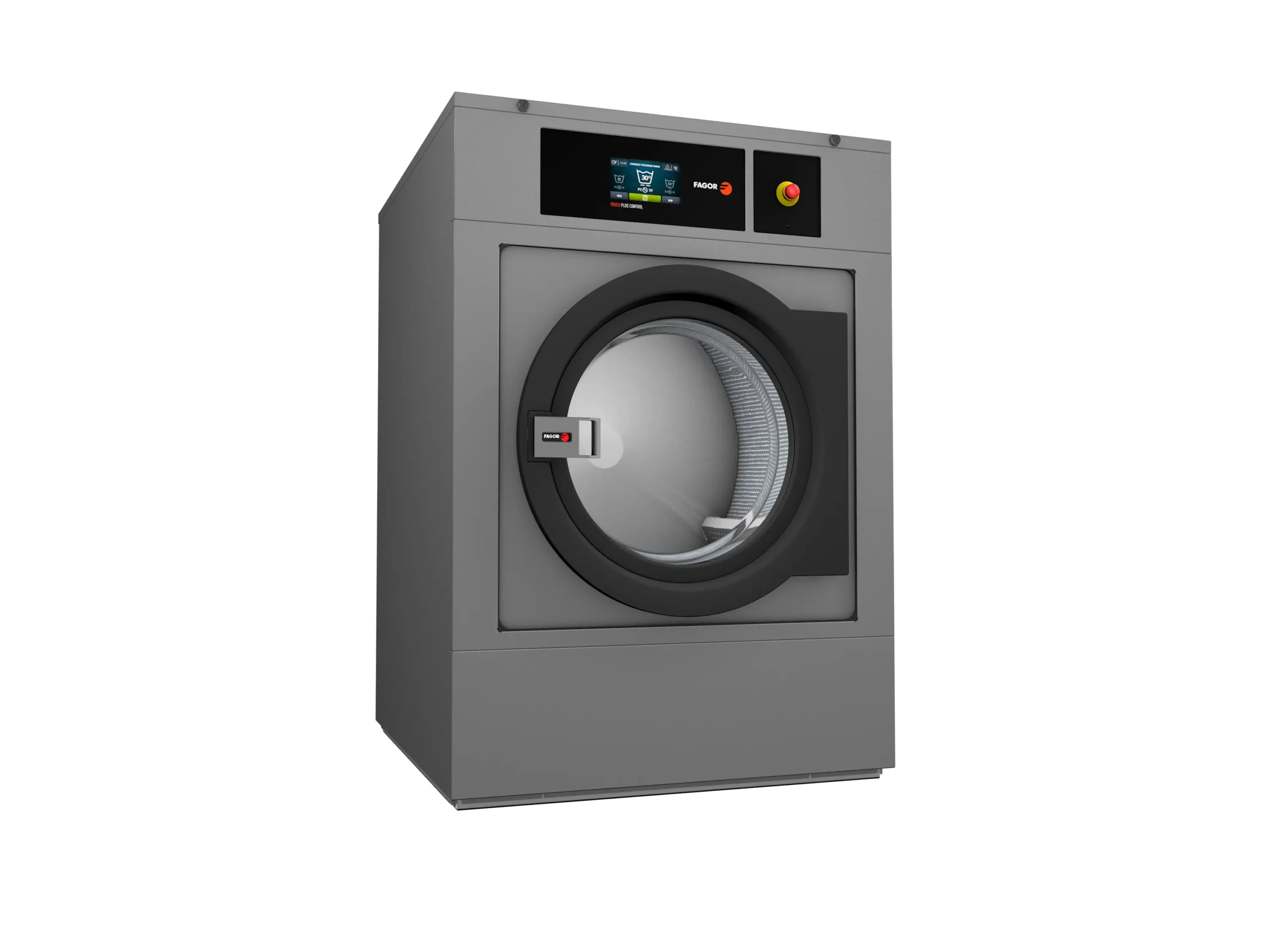
High G-force extraction is an essential feature for reducing drying times. By removing more water during the spin cycle, the HP-Series Washers allow for shorter dryer cycles, which directly translates to lower utility bills and less wear and tear on fabrics. This efficiency is important for maintaining the longevity of resident clothing, which often carries significant sentimental and financial value.
Commercial Dryers
Dryers must be perfectly matched to washer capacity to prevent bottlenecks. Modern DE-Series Dryers utilize moisture-sensing technology to prevent over-drying: a common cause of fabric degradation and fire hazards in laundry rooms.

Finishing and Ironing
For facilities that prioritize a premium aesthetic: particularly in dining rooms or high-end residential suites: a flatwork ironer is an invaluable asset. Machines like the IC-Series Compact Ironer provide a crisp, professional finish to tablecloths and linens that manual folding cannot replicate.

Designing for Operational Excellence: Workflow and Layout
The physical layout of the laundry room is as important as the machines themselves. An poorly planned space can lead to worker fatigue, increased labor costs, and safety hazards. Facility managers should prioritize ergonomic design and logical progression.
At Wash IQ, our design services assist managers in planning facility layouts that maximize every square foot. This includes:
- Ergonomic Loading Heights: Reducing the risk of back injuries for staff.
- Strategic Chemical Placement: Ensuring easy access for refills while maintaining safety standards.
- Ventilation and Lint Management: Crucial for fire safety and maintaining a comfortable working temperature.
By optimizing the workflow, a facility can process more pounds of laundry per staff hour, allowing personnel to focus more on direct resident care rather than administrative bottlenecks.
Maximizing Efficiency through Chemical and Maintenance Services
The hardware of a laundry room is only one half of the equation; the "software": the chemicals and maintenance protocols: is equally vital. Chemical cost optimization is a key service that can transform an OPL’s profitability.
Using the correct balance of detergents, builders, and sanitizers ensures that linens are cleaned effectively the first time, reducing the need for costly "rewashes." Furthermore, an automated dispensing system eliminates human error, ensuring that chemicals are used precisely as needed.

The Necessity of Preventive Maintenance
In the world of assisted living, machine downtime is not an option. A broken washer can quickly lead to a crisis in linen availability and resident hygiene. Implementing a rigorous preventive maintenance schedule is the only way to ensure 100% uptime.
Wash IQ brings over 50 years of industry expertise to every service call. Our commitment to being a one-stop shop means we provide a 3-year parts and labor warranty on our products, offering facility managers peace of mind. Whether it is a routine inspection or an emergency repair, having a reliable partner who services all brands of industrial laundry equipment is an essential component of a successful facility management strategy.
Conclusion: Partnering for Success
Managing a laundry operation in an assisted living center is a complex task that requires a blend of technical knowledge, regulatory awareness, and strategic planning. By investing in high-quality OPL laundry solutions and high-performance industrial laundry equipment, facility managers can ensure their center operates at the highest level of efficiency and safety.
At Wash IQ, we understand that every facility has unique needs. From initial design and equipment sales to long-term repair services and chemical optimization, we provide the custom solutions necessary for your facility to excel. By focusing on operational excellence today, you secure a cleaner, safer, and more efficient environment for your residents tomorrow.
For more information on how we can optimize your laundry operations, visit our full equipment gallery or contact us for an efficiency report tailored to your facility’s needs.