
How to Plan Linen Par Levels for a Hotel Laundry Operation
In today’s competitive hotel market, reliable linen availability is essential to guest satisfaction and efficient housekeeping. Too little clean stock can delay room turns and force staff to improvise. Too much ties up capital and valuable storage space. A well-planned linen par level helps balance these pressures, and should be based on the actual flow of linen through your operation.
What is a linen par level?
A par level is the target quantity of a linen item an operation needs to keep service running. Hotels often describe stock in “pars,” with one par representing the amount needed to outfit rooms or another operating area once. A three-par approach might include linen in use, linen in the laundry cycle, and clean linen ready for use.
That convention is a useful starting point, not a universal rule. The right quantity depends on how quickly your hotel uses, processes, and returns linen to service. A hotel with fast in-house laundry may need a different stock level from one with longer processing or outsourced service. For background on hotel par planning, see Hotel Management’s overview of par levels.
Plan by item, not as one blanket number. Sheets, pillowcases, duvet covers, bath towels, hand towels, pool towels, and table linens can have different usage patterns and turnaround times. Where relevant, separate stock for guest rooms, floor pantries, pool or spa areas, restaurants, and banquets.
How to calculate a practical par level
Start with measured demand and the time linen is unavailable, not with a standard par count borrowed from another property.
Par target = installed base + (daily linen usage × turnaround time in days) + buffer stock + replacement reserve
Calculate this separately for each item. The installed base is what is currently fitted in rooms or held at operating points. The turnaround period is the time from collection of soiled linen until clean linen is inspected, folded, and ready to issue.
1. Estimate daily linen usage
Use peak or design occupancy for planning, then validate the estimate against actual issue and return counts. A basic estimate is:
Occupied rooms × quantity of an item used per occupied room per day
Adjust for your linen-change policy, room turns, extra beds, suites, early arrivals, and guest requests. Add demand from amenities and other departments, such as pool towels, spa linens, restaurant tablecloths, or banquet events.
For example, a 120-room hotel at 85% occupancy has about 102 occupied rooms. If the operation issues one room set per occupied room per day, that is an estimated 102 room sets of daily demand before adjustments.
2. Measure the full turnaround time
Count the complete process: collection, transport, sorting, washing, drying, finishing, inspection, folding, and return to the point of issue. Include waiting time between stages. Machine wash time alone does not show how long linen is out of circulation.
Track typical and slower turnaround periods. A delayed delivery, equipment outage, backlog at finishing, or high-volume day can extend the cycle and increase the stock needed to maintain service.
3. Add a buffer and replacement reserve
Buffer stock protects service when occupancy rises, processing takes longer than expected, or items are temporarily unavailable. Set it using your own operating history. One practical approach is to hold an additional day of peak usage, or apply a percentage to the calculated operating requirement and adjust it as you collect data.
Keep replacement stock separate from the working buffer. Damaged, stained, worn, or missing items should not gradually reduce the linen available for normal circulation. Base the replacement reserve on discard rates, item life, and supplier lead times.
Example: With 102 room sets used per peak day and a two-day turnaround, 204 sets are in the laundry cycle. If 120 sets are installed in rooms and the hotel holds a 41-set buffer, the target is about 365 sets, before adding a separate replacement reserve. This is an illustration, not a recommended standard for every hotel.
One calculation distinction matters: if wash frequency means the number of processing cycles per day, dividing daily volume by cycles per day estimates the volume assigned to each cycle, not the total linen par. For stock planning, multiply daily usage by the number of days linen remains unavailable, then add the installed base, buffer, and replacement reserve.
What drives hotel linen par levels?
Occupancy and demand variability. Average occupancy can understate peak requirements. Group arrivals, seasonal surges, events, and frequent same-day turns can increase linen use quickly. Review high-demand dates as well as ordinary weeks.
Wash turnaround time. Longer or less predictable turnaround means more stock must remain in circulation. If linen is outsourced, include pickup schedules, delivery lead time, weekends, and service variability.
Linen replacement rate. High discard rates, loss, stains, and damage reduce usable stock. Monitor replacements by item so a shortage is not mistaken for a processing problem.
Storage capacity. Storage space limits where clean linen can be held and how easily staff can access it. Calculate the volume of the target stock by item, then plan shelving and working aisles. Keep clean and soiled linen separated, and make room for inspection, sorting, and movement. Avoid letting a space constraint conceal an operating par that is too low.
Signs the par may be insufficient
A shortage does not always show up as an empty shelf. Watch for operational patterns such as:
- Staff rushing loads or putting pressure on rewash and quality checks to meet room-turn deadlines.
- Clean linen running out mid-day, especially during predictable occupancy peaks.
- Housekeeping borrowing from other floors or departments, substituting items, or improvising room setups.
- Repeated emergency purchases, unusual linen transfers, or frequent requests for exceptions.
- Stock that appears adequate in total but is unavailable at the right time because it is still being processed or held in the wrong location.
These signals can point to low inventory, but they can also indicate bottlenecks, poor distribution, or inconsistent counting. Compare issue and return records with laundry production before simply increasing the par.
Match equipment capacity to linen flow
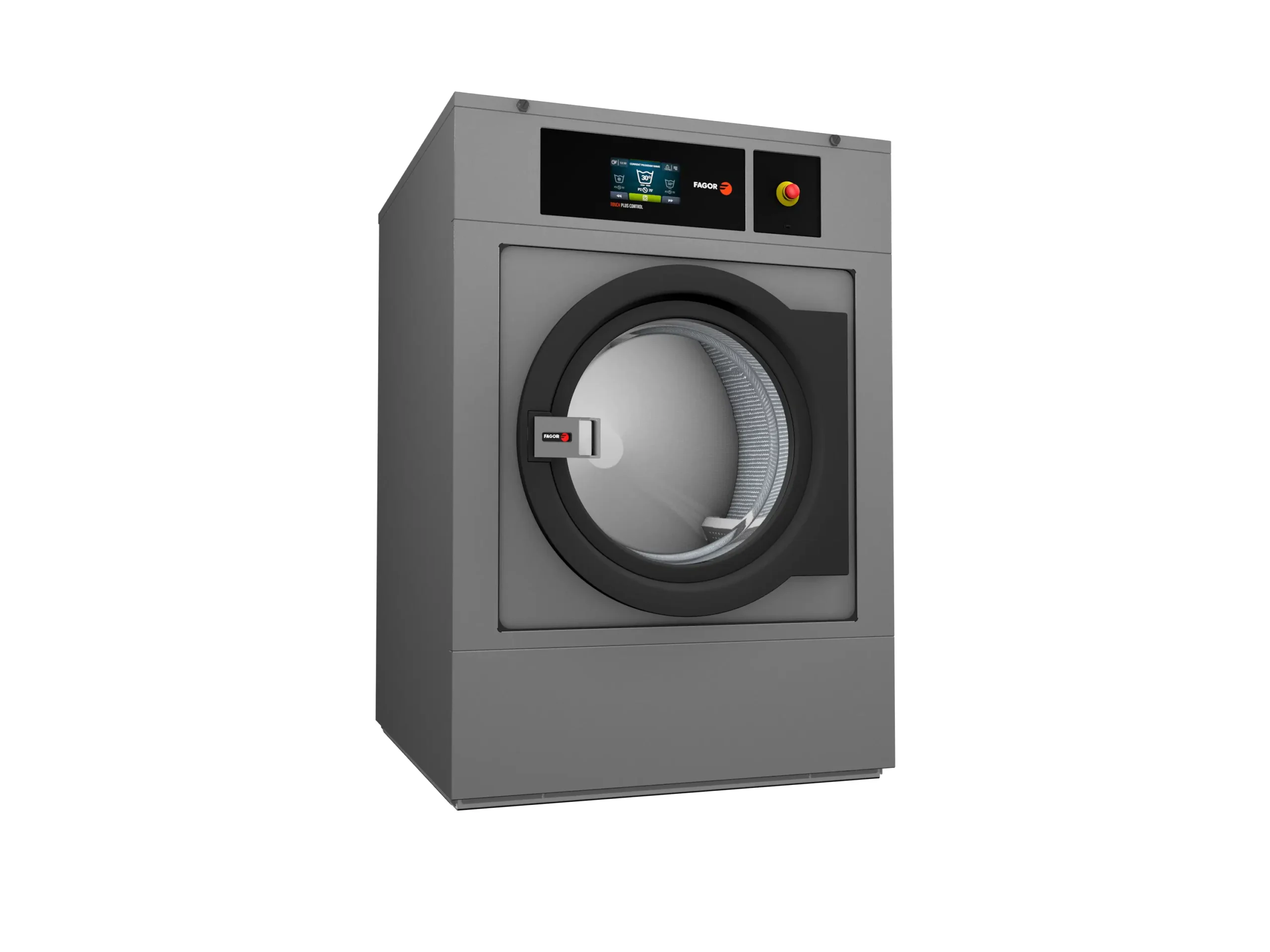
A linen par plan is also a throughput plan. Once you know how many pounds of linen must be processed each day, map that volume across your operating hours and production steps. Consider washer capacity and cycle time, dryer capacity, staff coverage, linen mix, and finishing requirements. The slowest stage, not necessarily the washer, can set the practical limit on clean linen returned per shift.

For example, if washers can complete loads faster than dryers can turn them around, wet linen may build up and extend the overall cycle. If flatwork finishing is the constraint, sheets can remain unavailable even when washing and drying are on schedule. Equipment planning should account for this complete flow, rather than relying only on the stated capacity of a single machine.

On-premises laundry solutions (OPL laundry solutions) should be sized around actual linen demand, the hours available to process it, and the space needed for clean and soiled workflows. A layout that reduces unnecessary handling and keeps each stage accessible can support a steadier turnaround and a more reliable par cycle.
Review the numbers regularly
Build an item-level worksheet that records daily usage, peak occupancy, turnaround time, current clean and soiled stock, rewash, loss, replacements, and target buffer. Review exceptions weekly and recalculate seasonally, after a change in occupancy patterns, or when laundry processes and equipment change. This helps distinguish a genuine inventory shortfall from a throughput issue.
Wash IQ is a one-stop shop for hotel laundry operations. Our design services help size the laundry room and equipment around linen flow. Efficiency reports can help measure wash turnaround and identify operational opportunities. Our repair and maintenance services, backed by more than 50 years of industry experience, help keep machines turning so the par cycle holds. Wash IQ products also come with a three-year parts and labor warranty.
Explore Wash IQ or visit our FAQ page to learn more. For additional linen-planning reference, see Prostay’s hotel linen par calculator.