Maximizing ROI in Your Commercial Laundry Operation: A Step-by-Step Guide
In today’s competitive market, commercial laundry operations face a dual challenge: maintaining the highest standards of hygiene while navigating rising utility costs and labor shortages. For facility managers in hotels, hospitals, and banquet halls, the ability to maximize Return on Investment (ROI) is not merely a financial goal: it is an essential requirement for long-term operational viability. Achieving a high ROI necessitates a transition from reactive management to a proactive, data-driven strategy that prioritizes efficiency at every stage of the laundry cycle.
In the world of industrial-grade laundry, profitability is often hidden in the margins. Every gallon of water saved, every minute of labor optimized, and every pound of linen processed with precision contributes to a more robust bottom line. To help your organization reach its peak performance, we have developed a comprehensive guide to maximizing ROI through strategic equipment selection, process optimization, and expert support.
Step 1: Conduct a Comprehensive Operational Audit
The first step toward increasing ROI is establishing a clear baseline of your current performance. You cannot improve what you do not measure. A thorough audit of your facility should focus on your "cost per pound" of processed linen. This metric is the most accurate indicator of your facility's health.
Begin by tracking vital data points over a 30-day period. This includes total pounds processed, total labor hours, energy and water consumption, and chemical expenditures. Furthermore, it is important to monitor your "rewash rate": the percentage of linens that must be laundered a second time due to stains or inadequate cleaning. High rewash rates are a primary driver of wasted utilities and labor. By identifying these baseline figures, you can pinpoint specific areas where inefficiencies are draining your budget.
Step 2: Invest in High-Efficiency Industrial Equipment
Once your baseline is established, the next logical progression is to evaluate the hardware driving your operation. While the upfront cost of industrial laundry equipment can be significant, the long-term savings generated by modern, high-efficiency machines are substantial.
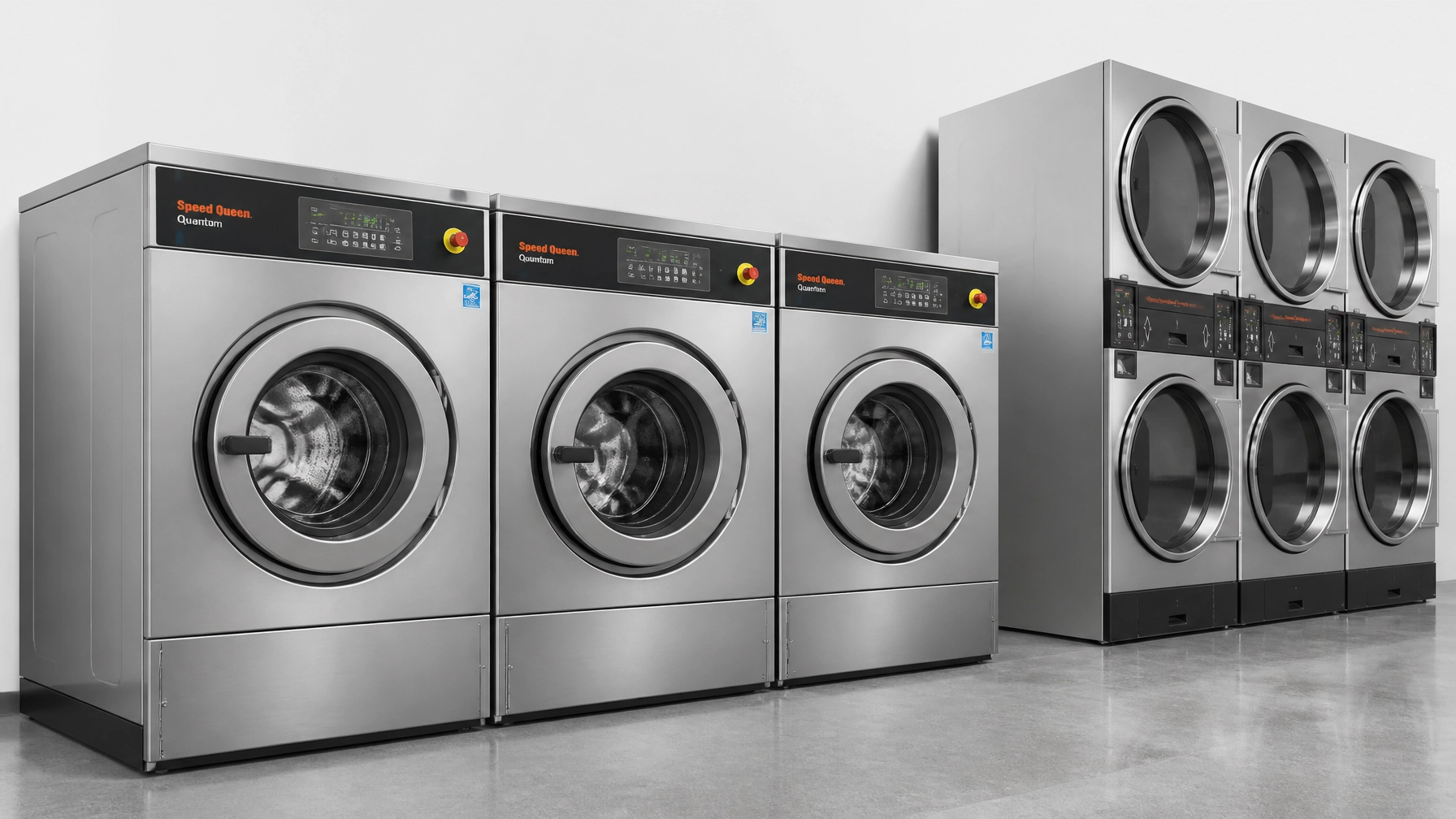
Investing in high-G-force extraction washers is a vital move for any facility looking to reduce drying times. By removing more water during the spin cycle, these machines significantly decrease the energy required by dryers, which are typically the most energy-intensive assets in a laundry room. Furthermore, modern machines equipped with programmable controls allow for precise tailoring of cycles based on load size and soil level, preventing unnecessary wear and tear on both the equipment and the linens.

At Wash IQ, we provide a complete line of industrial-grade equipment designed for maximum durability and performance. To ensure peace of mind and protect your investment, our products come with a 3-year parts and labor warranty, a standard that underscores our commitment to reliability.
Step 3: Optimize Facility Design and Workflow
In the world of high-volume laundry, time is quite literally money. Poor facility layout often leads to "bottlenecks": stages in the process where linens pile up, causing machines to sit idle and labor costs to spike. Optimizing your workflow is essential to achieving a higher throughput per labor hour.
A professional design service can assist in planning a layout that minimizes the physical distance linens travel between sorting, washing, drying, and folding stations. For example, sorting should occur in close proximity to the washers, while folding stations should be positioned immediately adjacent to the dryers to facilitate a seamless transition. By reducing unnecessary movement and handling, you empower your staff to process more pounds of linen in less time, directly impacting your ROI.

Step 4: Implement Chemical Cost Optimization
Chemical expenses represent a significant portion of a laundry operation's budget. However, more chemicals do not necessarily equate to cleaner laundry. In fact, over-sudsing can lead to additional rinse cycles, wasting water and increasing the mechanical stress on your machines.
Implementing a chemical cost optimization strategy involves analyzing your water hardness, soil types, and linen fabrics to determine the exact dosage required for a perfect clean. Automated chemical injection systems are crucial here; they remove human error from the equation, ensuring that every load receives the precise amount of detergent, destainer, and softener. This precision not only reduces direct chemical costs but also extends the lifespan of your linens by preventing chemical fiber degradation.
Step 5: Prioritize Preventative Maintenance and Repair
Unplanned downtime is the ultimate ROI killer. When a machine fails, it disrupts the entire production chain, often leading to costly overtime or the need to outsource laundry services at a premium.
Maintaining a rigorous preventative maintenance schedule is essential to maximizing the lifespan of your industrial equipment. With over 50 years of industry expertise, the technicians at Wash IQ are equipped to service and repair any brand of laundry equipment. Regular inspections: checking belt tension, lubricating bearings, and verifying heating element efficiency: can prevent minor issues from escalating into catastrophic failures. A well-maintained machine operates more efficiently, consumes less energy, and provides a more consistent result, all of which are vital components of a profitable operation.

Step 6: Leverage Professional Efficiency Reports
The final step in your journey toward maximum ROI is the implementation of continuous monitoring. Operational efficiency is not a "set it and forget it" endeavor; it requires ongoing attention to changing variables such as utility rate hikes or staff turnover.
Professional Efficiency Reports provide a deep dive into your facility's performance, identifying cost-saving opportunities that might otherwise go unnoticed. These reports analyze machine utilization, cycle efficiency, and utility consumption to provide actionable insights. By regularly reviewing these metrics, facility managers can make informed decisions about when to upgrade equipment, how to adjust staffing levels, and where to further refine chemical usage.

Conclusion: A Commitment to Operational Excellence
Maximizing ROI in a commercial laundry operation is a multifaceted challenge that requires a blend of technical expertise, strategic investment, and disciplined management. By following this step-by-step guide: auditing your data, investing in high-quality equipment, optimizing your design, and prioritizing maintenance: you can transform your laundry room from a cost center into a model of efficiency.
At Wash IQ, we serve as your one-stop shop for all industrial laundry needs. Whether you are managing a single location or a large multi-site operation, our team is dedicated to providing the custom solutions and comprehensive support necessary to drive your success. In an industry where reliability is paramount, choosing the right partner is the most important decision you can make for your facility's future.