Why Energy Efficiency Matters More Than Ever in Commercial Laundry
In today’s competitive market, the operational landscape for industrial laundry facilities is undergoing a profound transformation. What was once considered a secondary concern: energy efficiency: has ascended to become a primary driver of fiscal sustainability and operational excellence. In the world of hospitality, healthcare, and commercial laundering, the ability to manage utility consumption effectively is no longer merely a strategic advantage; it is an absolute necessity for long-term survival.
The year 2026 marks a pivotal juncture where rising utility costs, stringent regulatory frameworks, and shifting environmental expectations have converged. For facility managers and business owners, understanding why energy efficiency matters more than ever is the first step toward securing a robust bottom line. At Wash IQ, we recognize that the integration of high-performance industrial laundry equipment and optimized processes is the only viable path forward in this demanding environment.
The Escalating Cost of Inefficiency
The financial implications of operating antiquated or poorly maintained laundry equipment are staggering. Industrial laundry is, by its very nature, resource-intensive. Traditional systems consume vast quantities of water, electricity, and natural gas. When these systems are inefficient, the cumulative waste represents a significant drain on a facility’s capital.
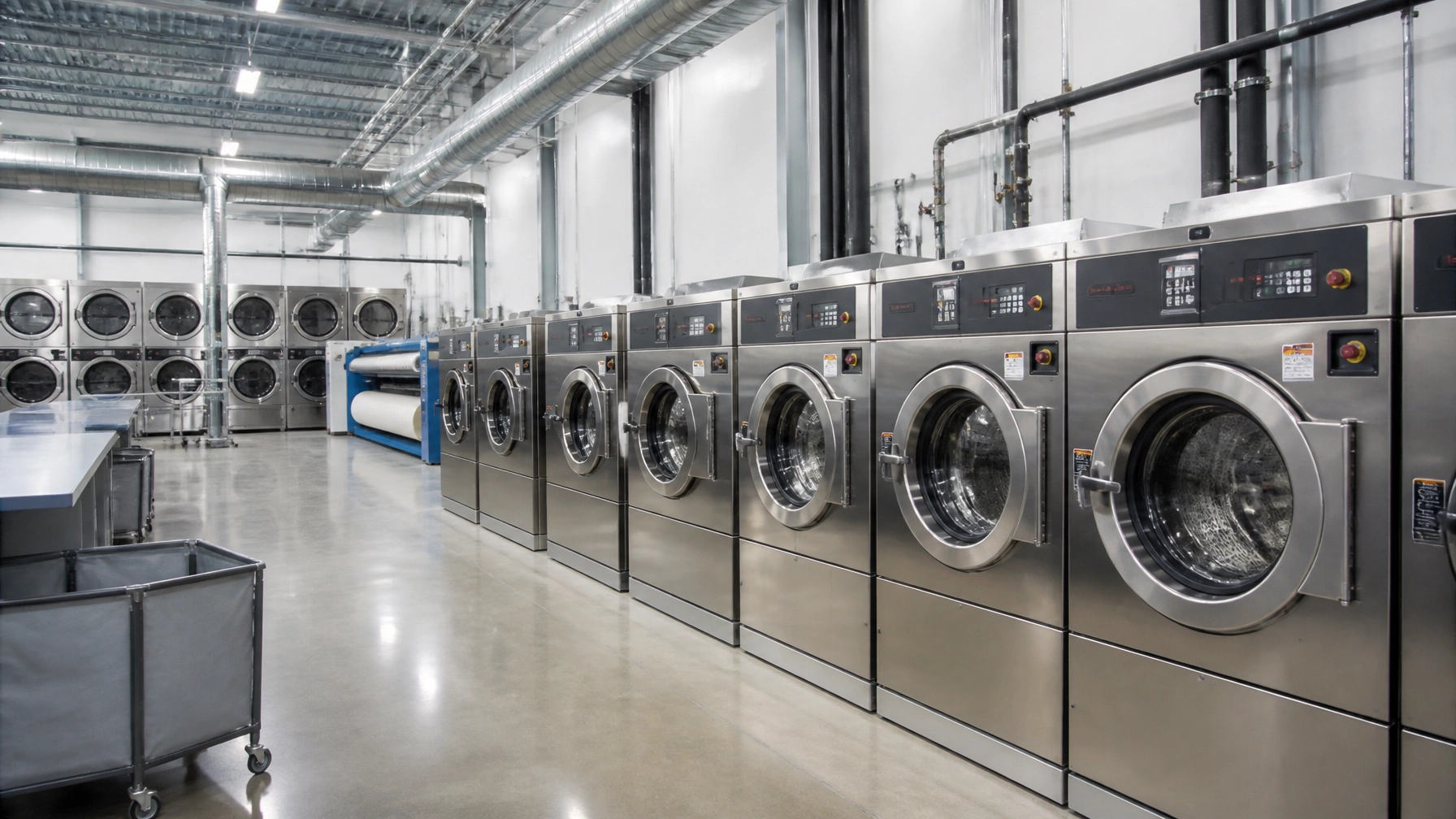
In many commercial settings, utilities represent the second-largest operating expense after labor. As global energy markets remain volatile, the risk of sudden utility price hikes is a constant threat to profitability. Modern high-efficiency machines, such as those from industry leaders like Milnor, Fagor, and B&C, are engineered to mitigate this risk. By utilizing advanced drum designs and precision-engineered motors, these units can reduce electricity consumption by an average of 38% compared to conventional systems.
Furthermore, water scarcity has transitioned from a regional issue to a global concern. High-efficiency washers can cut water usage by up to 40% per load. This reduction is not only vital for environmental stewardship but is essential for facilities operating in jurisdictions where water and sewer rates are climbing at double-digit percentages annually.

Regulatory Pressures and Building Performance Standards
The regulatory environment is no longer a distant concern for the laundry industry. In 2026, many jurisdictions have implemented Building Performance Standards (BPS) that mandate measurable reductions in energy use and greenhouse gas emissions for large commercial buildings. These standards often carry significant financial penalties for non-compliance, making the upgrade of high-load systems: like laundry equipment: a crucial component of any facility's compliance strategy.
Organizations are now required to provide verifiable data on their energy metrics. This shift toward transparency means that the performance of every washer, dryer, and ironer is under scrutiny. Implementing efficiency reports is a vital step in this process. Wash IQ assists facility managers by conducting comprehensive audits that identify exactly where energy is being wasted and providing a sequenced roadmap for upgrades that align with both budgetary constraints and regulatory deadlines.
Technical Solutions for Operational Excellence
Achieving superior energy efficiency requires a multi-faceted approach that blends cutting-edge hardware with sophisticated operational strategies.
1. Advanced Washing Technologies
The transition to low-water and smart-sensing washers is perhaps the most significant hardware upgrade a facility can undertake. These machines utilize AI-powered load sensing to automatically adjust water and energy use based on the actual weight and fabric type of the load. This prevents the common and costly practice of over-filling or running under-capacity cycles with maximum resource consumption.
2. Heat Pump and High-Efficiency Drying
Drying is traditionally the most energy-intensive part of the laundry process. Conventional dryers vent heated air directly outside, wasting a massive amount of thermal energy. In contrast, modern heat pump dryers recycle heat during the drying process, using up to 60% less energy. For facilities with high throughput requirements, such as hotels and hospitals, the ROI on these machines is often realized in a fraction of their operational lifespan.

3. Chemical Optimization: The Unsung Hero
While hardware is fundamental, the chemistry of the wash cycle plays an equally important role in efficiency. Chemical cost optimization is about more than just reducing the price per gallon of detergent. It is about ensuring that the chemical balance is perfectly calibrated to the water quality and soil levels of the facility.
Proper chemical dosing allows for shorter wash cycles and lower water temperatures without sacrificing hygiene or textile quality. By reducing the number of rinse cycles required, facilities can save thousands of gallons of water and significant amounts of energy used for heating. This precise approach is a hallmark of the comprehensive support services provided by Wash IQ.
The Connection to Human Health and Hygiene
In sectors like healthcare and hospitality, efficiency must never come at the expense of cleanliness. The human stakes are high: preventing healthcare-associated infections (HAIs) and maintaining the highest standards of guest comfort are non-negotiable mandates.
Fortunately, modern efficiency standards actually support improved hygiene. High-performance machines provide more consistent thermal and mechanical action, ensuring that sanitization standards are met every time. By investing in reliable equipment, facilities ensure that their "back-of-house" operations are a robust foundation for "front-of-house" safety and satisfaction.
Long-Term Impact and the Prevention of Failure
The decision to ignore energy efficiency is a decision to accept inevitable operational failure. Older machines are not only more expensive to run but are also more prone to breakdowns. The cost of downtime: lost productivity, emergency repair fees, and the potential need to outsource laundry at a premium: can quickly exceed the capital investment of a new, efficient system.
Partnering with an expert like Wash IQ, which brings over 50 years of industry experience, ensures that your facility is equipped for the future. From design services that optimize facility layout for maximum throughput to repair and maintenance services that extend the life of your assets, we provide a one-stop-shop solution.

Conclusion: A Strategic Imperative
Energy efficiency in 2026 is a complex, data-driven discipline that requires the right equipment, the right chemicals, and the right expertise. It is a strategic imperative that directly influences a facility's reliability, compliance, and profitability.
In today’s industrial landscape, the pursuit of efficiency is the pursuit of excellence. By modernizing your laundry operations, you are not just saving on utility bills; you are building a resilient, future-proof business. For those ready to optimize their operations and implement industrial-grade solutions that deliver exceptional results, the experts at Wash IQ are ready to lead the way.